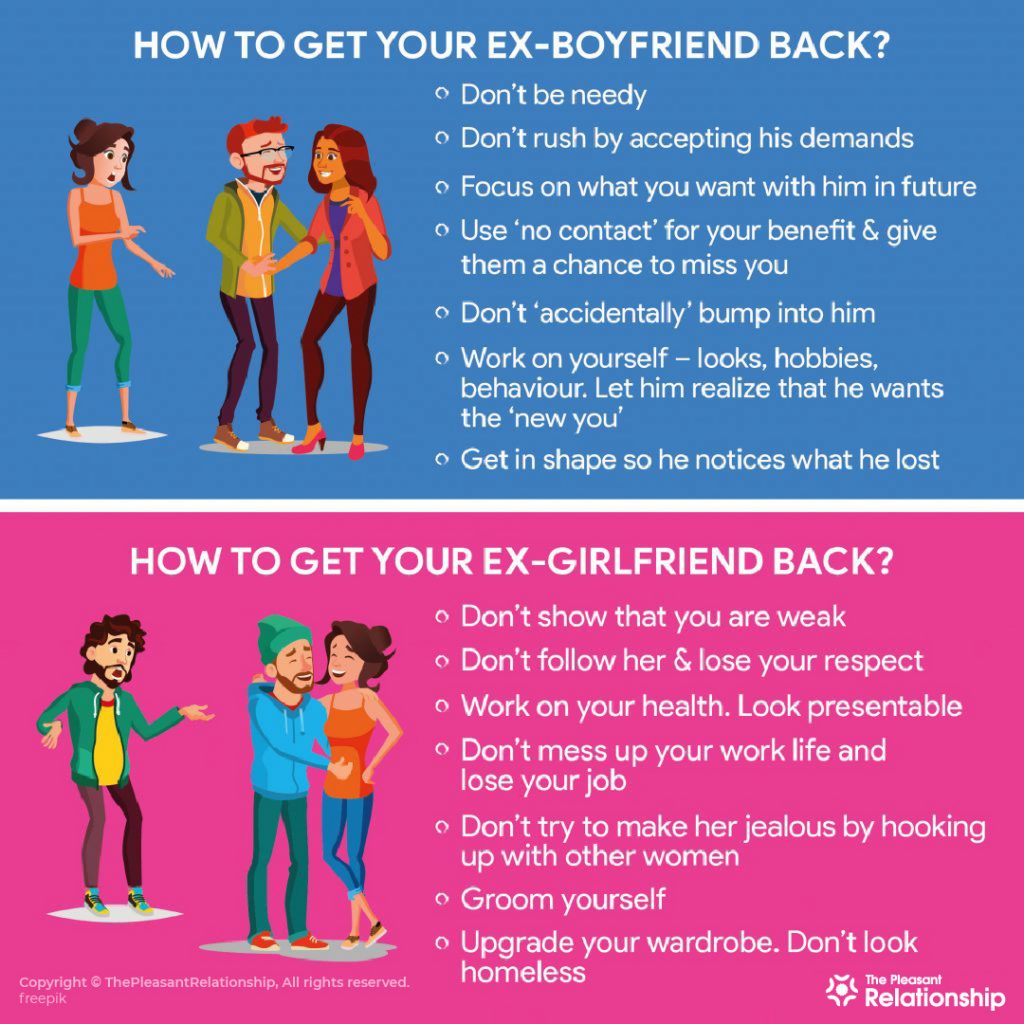
Reclaiming a Lost Connection: Demonstrating Growth and Becoming a Better Partner
The dissolution of a romantic relationship is often a deeply painful experience. While moving on is a necessary and healthy process, some individuals find themselves yearning to reconnect with a former partner. This desire, however, should not be pursued impulsively or manipulatively. Instead, a thoughtful and respectful approach focused on genuine self-improvement and demonstrating tangible changes in behavior is far more likely to yield positive results. This article outlines a comprehensive strategy for demonstrating growth and becoming a better partner, thereby increasing the possibility of reconciliation.
Understanding the Foundation of Reconciliation
Before embarking on any attempt to rekindle a relationship, it is crucial to understand the reasons behind the breakup. Self-reflection is paramount. Engaging in honest introspection, possibly aided by journaling or therapy, allows for a thorough examination of one's role in the relationship's demise. Identifying personal shortcomings and acknowledging past mistakes is the first critical step toward genuine change.
Identifying Personal Shortcomings
Were there communication issues? Did you exhibit controlling behavior? Did you neglect your partner's emotional needs? Pinpointing specific behaviors or personality traits that contributed to the relationship's failure is vital. This level of self-awareness is crucial for effective change and demonstrating sincere remorse.
Accepting Responsibility
Avoid making excuses or blaming your ex for the breakdown. A willingness to accept responsibility for one's actions, even if those actions stemmed from unintentional shortcomings, demonstrates maturity and a commitment to personal growth. This is a fundamental aspect of demonstrating that you are a changed person.
Seeking Professional Guidance
Consider seeking professional help from a therapist or counselor. A therapist can provide a neutral and objective perspective, aiding in the process of self-reflection and identifying underlying issues that may have contributed to the relationship's difficulties. This demonstrates a serious commitment to personal growth and emotional well-being.
Demonstrating Positive Change
Once you have identified your shortcomings and accepted responsibility, the next stage involves actively working to improve yourself. This isn't about superficial changes; it's about deep, meaningful transformations in behavior and character.
Improving Communication Skills
Effective communication is the cornerstone of any healthy relationship. If communication breakdowns contributed to the breakup, actively working to improve this area is essential. This might involve taking a communication skills course, reading self-help books on the subject, or practicing active listening techniques.
Addressing Emotional Needs
Consider whether you consistently met your partner's emotional needs during the relationship. Did you provide sufficient support, empathy, and affection? If not, actively work on becoming more emotionally available and responsive. This might involve learning to identify and manage your own emotions more effectively, practicing empathy, and expressing your emotions in a healthy and constructive manner.
Cultivating Personal Growth
Demonstrate personal growth in areas unrelated to the relationship. This might involve pursuing hobbies, furthering your education, improving your physical health, or developing new skills. This shows your ex that you are not stagnating, but rather actively working on becoming a better version of yourself.
The Importance of Space and Respectful Contact
It's crucial to respect your ex's need for space and time. Immediately bombarding them with attempts at reconciliation is likely to be counterproductive. Give them time to process the breakup and reflect on the relationship. However, this doesn’t mean complete silence. A respectful and infrequent contact, demonstrating the changes you've made, can be beneficial.
Respecting Boundaries
Respect your ex's boundaries. If they have explicitly asked for space, honor their request. Avoid any form of pressure or coercion. Your goal is to demonstrate that you value them and their autonomy.
Occasional, Meaningful Contact
After a suitable period of space, you can reach out with a brief, respectful message. This should not be an attempt to rekindle the relationship immediately but simply a way to check in and demonstrate that you're thinking of them. For instance, a simple message acknowledging a shared event or a casual reference to a mutual interest could suffice.
Demonstrating Change Through Action, Not Words
Actions speak louder than words. Simply stating that you have changed is insufficient. You must demonstrate tangible evidence of your growth. This requires consistent effort and genuine commitment.
Consistent Positive Behavior
Sustained positive behavior over time is far more impactful than sporadic attempts at grand gestures. Consistent displays of maturity, respect, and consideration are crucial. This might involve making amends for past mistakes, consistently showing kindness and empathy, and being reliable and trustworthy.
Focusing on Self-Improvement, Not Reconciliation
The focus should be on becoming a better person, regardless of whether it leads to reconciliation. This shift in perspective will help you avoid desperation and maintain a healthy approach to the situation. If your ex sees your genuine growth and self-improvement, they may be more receptive to the possibility of reconciliation in the future.
Acceptance of the Outcome
Ultimately, the decision of whether or not to rekindle the relationship rests with your ex. It is imperative to accept their decision, regardless of the outcome. Even if reconciliation doesn't occur, the journey of self-improvement and growth will have been invaluable, equipping you with the tools for healthier relationships in the future.
In conclusion, reclaiming a lost connection requires a multifaceted approach. It demands deep self-reflection, genuine change, respectful communication, and, most importantly, a commitment to personal growth. While there are no guarantees, by focusing on becoming a better partner, you significantly increase the likelihood of a successful reconciliation, and even if reconciliation doesn't happen, you will emerge a stronger and more well-rounded individual.
0 comments:
Post a Comment
Note: Only a member of this blog may post a comment.