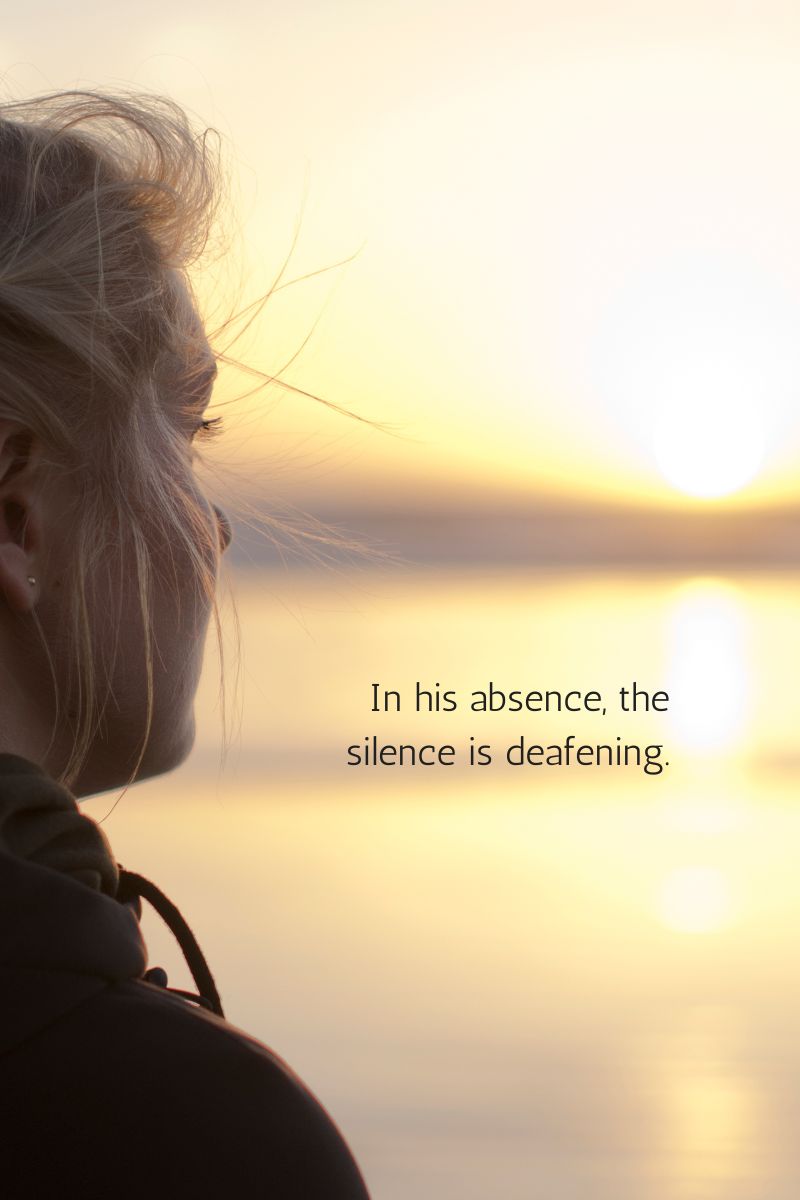
His Silence a Sign of Indifference or Something Deeper?
Silence can be deafening, especially when it comes from someone you care about. A lack of communication, especially from a significant other, can leave you feeling confused, hurt, and wondering what's going on in their mind. You might be left grappling with questions about whether their silence is a sign of indifference, a way of expressing their anger, or something else entirely. Unpacking this emotional puzzle requires understanding the nuances of communication and the unique dynamics of your relationship.
Deciphering the Meaning of Silence
Silence is rarely a neutral act. It conveys a message, even if the sender isn't consciously aware of it. In the context of a romantic relationship, silence can carry weight because it disrupts the flow of communication that is essential for intimacy and connection. It can be a sign of:
Indifference or Disinterest
When someone is indifferent, they simply don't care enough to engage in conversation. This type of silence often feels cold and dismissive, leaving you feeling unseen and unimportant. It can be a sign of a growing distance in the relationship.
Anger or Hurt
Silence can also be a form of passive-aggressive behavior. Sometimes, people choose to withdraw from communication as a way of punishing their partner or expressing their hurt without directly confronting the issue. This type of silence can be hurtful because it leaves you feeling confused and unsure how to mend the situation.
Reflection or Processing
Not all silence is bad. Sometimes, people need time to process their thoughts and emotions before they can communicate effectively. If your partner is going through a difficult time or dealing with a personal issue, they may need some space to sort things out before engaging in a meaningful conversation.
How to Approach the Situation
The best way to approach a situation involving silence is to communicate directly and respectfully. Here are some steps you can take:
- Choose the Right Time and Place: Avoid confronting your partner during a heated argument or when they are stressed or tired. Find a calm and private space where you can talk openly.
- Use "I" Statements: Instead of accusing your partner, focus on your feelings and how their silence is impacting you. For example, you could say, "I feel hurt when you don't talk to me."
- Ask Open-Ended Questions: Instead of making assumptions, invite your partner to share their thoughts and feelings. For example, you could ask, "Is there something you want to talk about?" or "What's on your mind?"
- Respect Their Boundaries: If your partner needs space, respect their request. However, let them know that you're available to talk when they're ready.
Seeking Professional Help
If you've tried to communicate with your partner and their silence persists, or if their behavior is causing significant distress in your relationship, it may be helpful to seek professional help. A therapist can provide a safe and neutral space to explore your feelings and work on communication strategies. They can also help you understand the underlying causes of the silence and develop healthy coping mechanisms.
Remember, silence doesn't always equal indifference. It's important to understand the context and the dynamics of your relationship to interpret its meaning accurately. Open and honest communication is key to resolving any issues and building a stronger, more fulfilling connection.
0 comments:
Post a Comment
Note: Only a member of this blog may post a comment.