Rebuilding Your Relationship After No Contact: A Guide to Reconnecting
The decision to implement a period of "no contact" in a relationship is often a difficult one, but it can be a necessary step for personal growth, reflection, and ultimately, the potential for healing and reconciliation. While no contact can be a powerful tool for self-discovery and emotional detachment, the question remains: how do you rebuild a relationship after such a separation?
The path to rebuilding a relationship after no contact is complex and requires careful navigation. It demands honesty, self-awareness, and a willingness to communicate openly and respectfully. This guide aims to provide a framework for navigating this delicate process, offering practical strategies and insightful considerations.
Understanding the Purpose of No Contact
Before delving into the rebuilding process, it's crucial to understand the rationale behind the no-contact period. No contact isn't simply about ignoring someone; it's a strategic tool for:
Emotional Detachment
No contact allows both individuals to process their emotions, detach from the immediate pain of the situation, and gain perspective. It creates a space for emotional healing and self-reflection, reducing the likelihood of impulsive decisions driven by intense emotions.
Self-Discovery
The period of no contact can be a catalyst for self-discovery. It provides an opportunity to examine one's role in the relationship, identify personal shortcomings, and develop strategies for personal growth. This introspective process is crucial for building a healthier future.
Assessment of the Relationship
No contact allows both parties to assess the relationship from a more objective standpoint. It helps to identify the root causes of the issues and determine whether there's a genuine desire and commitment to rebuild a healthier, more fulfilling connection.
Navigating the Rebuilding Process
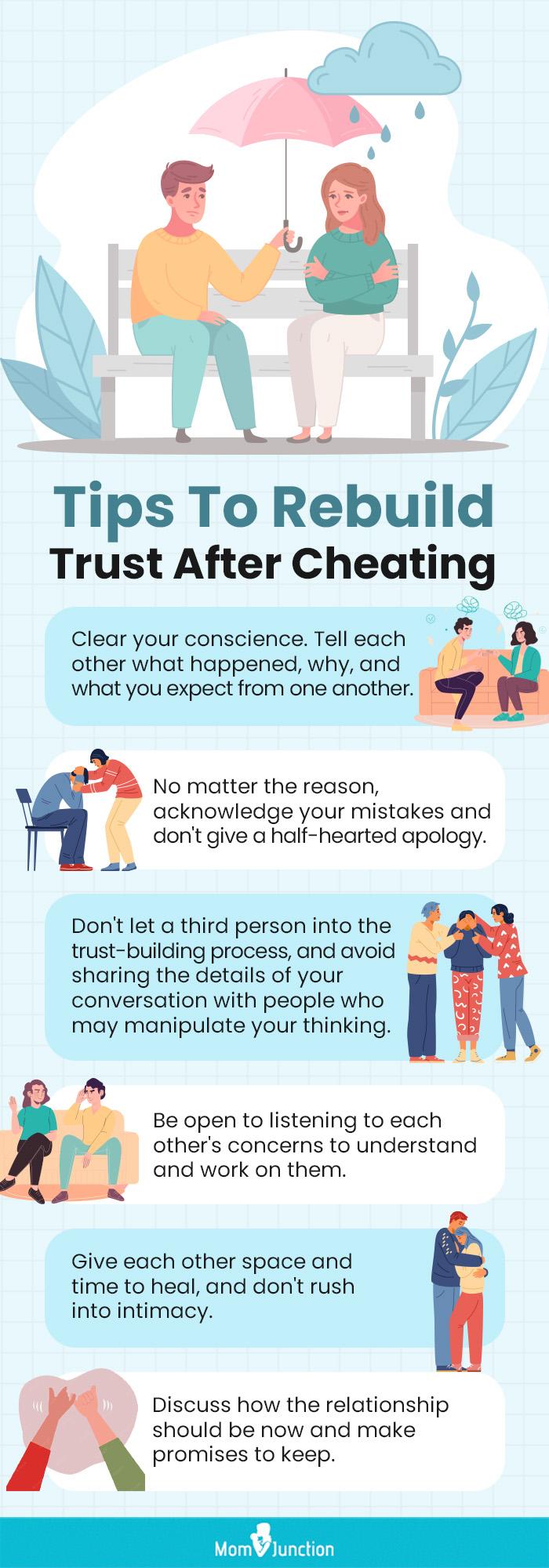
Rebuilding a relationship after no contact is not about simply resuming where you left off. It requires a conscious effort to address past issues, build trust, and create a stronger foundation for the future.
Open and Honest Communication
Effective communication is paramount. Both parties need to be open and honest about their feelings, expectations, and the reasons for the initial separation. This requires vulnerability, active listening, and a willingness to understand each other's perspectives.
Focus on Mutual Growth
The rebuilding process should focus on mutual growth. Have you both used the time apart for self-improvement? Have you addressed the issues that led to the separation? Acknowledge the steps you've taken individually to become better partners.
Re-establishing Trust
Trust is essential for any relationship, and it may be fragile after a period of no contact. Actions speak louder than words. Be consistent, reliable, and transparent in your interactions.
Setting Realistic Expectations
It's crucial to set realistic expectations. Rebuilding a relationship takes time, effort, and commitment. Avoid rushing into a full-fledged reconciliation before both individuals are emotionally ready.
Seeking External Support
Consider seeking support from a therapist or counselor, especially if the issues leading to the separation were complex. A neutral third party can offer valuable insights, facilitate communication, and guide you through the process.
Signs it's Time to Re-Connect
After the no-contact period, it's important to assess whether re-connection is appropriate. Look for these signs:
- Both parties have taken time for introspection and personal growth.
- There is a genuine desire to reconcile and rebuild the relationship.
- Both individuals are willing to address past issues and work towards a healthier future together.
- There is a willingness to communicate openly and honestly.
- There is a sense of forgiveness and acceptance.
Reconnecting After No Contact
When you feel ready to reconnect, consider these steps:
Initiate Contact Gently
Start with a simple, friendly message or call. Focus on re-establishing a connection without demanding an immediate response. It may take time for the other person to be receptive.
Be Patient and Understanding
The other person may need time to process their emotions and adjust to the idea of re-connection. Be patient, understanding, and avoid pressuring them to respond immediately.
Focus on the Present
While acknowledging the past is important, focus on building a positive present. Engage in activities you both enjoy, create new memories, and focus on shared experiences that strengthen the bond.
Seek Professional Help
If you find yourselves struggling to rebuild the relationship on your own, consider seeking professional help. A therapist or counselor can provide guidance and support, facilitating healthier communication and conflict resolution.
Moving Forward
Rebuilding a relationship after no contact is a journey that requires patience, commitment, and a willingness to work together. It's a process of healing, growth, and re-discovery, and it can ultimately lead to a stronger, more fulfilling connection. Remember, the goal is not to recreate the past, but to build a new, healthier relationship that supports both individuals' needs and aspirations.
0 comments:
Post a Comment
Note: Only a member of this blog may post a comment.